
Let’s face it: the vast majority of sports bettors lose money. Why? Often, it’s not just bad luck; it’s a failure to treat betting like an investment. They fly blind, relying on hunches instead of hard data. To truly conquer the world of sports betting, meticulous bet tracking is essential – a habit separating the pros from the casual gamblers.
This article pulls back the curtain on effective sports bet tracking. It’s more than just noting wins and losses. It’s about data-driven insights that illuminate strengths, expose weaknesses, and ultimately boost your bottom line. This guide explores how detailed data analysis transforms raw betting activity into actionable intelligence, paving the way for informed decisions, optimized strategies, and, most importantly, increased profitability.
Ready to transform your betting from a game of chance into a calculated pursuit of profit? Keep reading.
Why Track Your Sports Bets?
Tracking your sports bets might seem like extra work, but for anyone serious about turning a profit, it’s absolutely essential. Think of it this way: you wouldn’t run a business without keeping a close eye on the financials, would you? Sports betting is no different. It’s about gaining a real understanding of where your money is going and, more importantly, why. The benefits of tracking are multifold that includes increased awareness, pinpointing strengths and weaknesses, and sharpening your decision-making skills.
Gaining Awareness and Control
One of the most immediate benefits of tracking is simply becoming more aware of your betting habits. It’s easy to get caught up in the excitement and lose sight of the bigger picture. Tracking brings everything into sharp focus, allowing you to see exactly how much you’re wagering, how often you’re betting, and whether you’re sticking to your budget. It’s about gaining control. In fact, there was a time when I was constantly enticed to raise my stakes chasing losses which led to poor choices. Since I started closely tracking my bets, my bankroll management became more disciplined, and I am in total control now.
Identifying Strengths and Weaknesses
Tracking isn’t just about knowing where your money goes; it’s about figuring out what’s working and what isn’t. By meticulously recording your bets, you can start to identify certain sports, bet types, or even specific teams where you consistently make a profit. These are your strengths! On the flip side, you’ll also uncover your weaknesses. Maybe you’re terrible at predicting baseball underdogs or perhaps you bleed money on over/under bets in basketball. Tracking helps you recognize these areas so you can either improve your strategy or avoid them altogether. Personally, I discovered I had a knack for predicting tennis match winners, which became a very profitable niche for me.
Improving Decision-Making
Ultimately, the goal of tracking is to make you a more informed and successful bettor. When you have solid data on your past performance, you can start making data-driven decisions rather than relying on gut feelings. This means assessing risk more accurately, identifying value bets with greater confidence, and refining your strategies based on concrete evidence. I recall a specific instance where, after analyzing my tracked data, I realized my timing was off on placing bets minutes before kickoff. With time, I adjusted the lag time and saw a noticeable improvement in my win rate. That’s the power of data! Tracking transforms you from a casual gambler into a strategic investor.
Essential Metrics to Track
To truly master sports betting, it’s not enough to simply place wagers and hope for the best. Meticulous tracking of key performance indicators (KPIs), or betting metrics, is crucial for understanding what’s working, what’s not, and where to refine your strategy. Consider these metrics your navigational instruments guiding you toward consistent profitability. Diligently monitoring these figures transforms betting from a game of chance into a strategic investment.
Return on Investment (ROI)
Return on Investment (ROI) is the most fundamental metric for assessing the profitability of your betting endeavors. It’s the ultimate indicator of how effectively your investment – your stake – is generating returns. The formula is straightforward: ROI = (Net Profit / Total Stake) x 100. For instance, if you’ve placed $1000 in bets and generated a net profit of $250, your ROI is 25%. Interpreting this, a consistently positive ROI signifies a profitable strategy. While benchmarks vary based on the sports and odds you target, a long-term ROI above 5% is generally considered very good in the sports betting world, suggesting a skilled and disciplined approach. Think of it as the compass pointing you towards long-term profitability.
Yield
While ROI provides a broad overview of profitability, yield offers a more nuanced perspective by factoring in your total turnover. Yield is calculated as: (Net Profit / Total Turnover) x 100. Total turnover represents the total amount of money you’ve wagered, regardless of wins or losses. Yield highlights the efficiency of your betting strategy relative to the volume of bets placed. For example, imagine two scenarios: In the first, you bet $100 and win $10, resulting in a 10% ROI and 10% yield. In the second, you bet $1000 to win $10, resulting in a 1% ROI and 1% yield. While a positive ROI is always desirable, a low yield can indicate that you’re tying up too much capital for the returns you’re generating. Monitoring yield helps identify areas where you can optimize your stake sizing, bet selection, or even the types of bets you place to improve efficiency, even if your ROI is already positive. Think of Yield as the fuel efficiency gauge for your betting strategy.
Win Rate
Win rate, or winning percentage, is a simple yet powerful metric that reflects the consistency of your betting success. It’s calculated as: (Number of Wins / Total Number of Bets) x 100. While a high win rate might seem inherently good, it’s vital to consider it in conjunction with average odds and ROI. A high win rate achieved with consistently low odds might not necessarily translate to significant profitability. For example, a 70% win rate on bets with average odds of 1.20 will likely yield a lower ROI than a 40% win rate on bets with average odds of 2.50. Tracking fluctuations in your win rate can signal shifts in your betting performance, prompting further investigation into potential causes, such as changes in your strategy, the teams or sports you’re betting on, or even external factors like injuries or team form. Inconsistencies here can highlight a need for adjustments to your selection process or risk management strategies.
Average Odds
Average odds provide a crucial insight into the risk-reward profile of your betting strategy. To calculate average odds, simply sum the odds of all your bets and divide by the total number of bets placed. Tracking this metric allows you to assess whether you’re consistently targeting high-value opportunities or settling for lower-risk, lower-reward bets. For example, if your average odds are consistently around 1.50, you might be focusing on relatively safe bets with limited upside. Conversely, average odds of 2.50 or higher suggest a strategy geared towards identifying undervalued opportunities with potentially higher payouts. Monitoring average odds in conjunction with win rate and ROI provides a holistic view of your betting performance, helping you determine whether your risk appetite aligns with your profitability goals. In essence, this metric acts as a compass, guiding you to navigate the intricate risk-reward equation of sports betting.

Choosing the Right Tracking Method
Tracking your bets is essential to becoming a profitable bettor. It’s like keeping score in a game – you need to know where you stand to improve your performance. Several bet tracking tools and techniques exist, each with its own pros and cons. Some bettors prefer the simplicity of manual tracking, while others leverage the power of specialized apps and software. The best method depends on your individual needs, betting volume, and technical skills. Let’s explore some popular options to help you find the right fit.
Spreadsheets
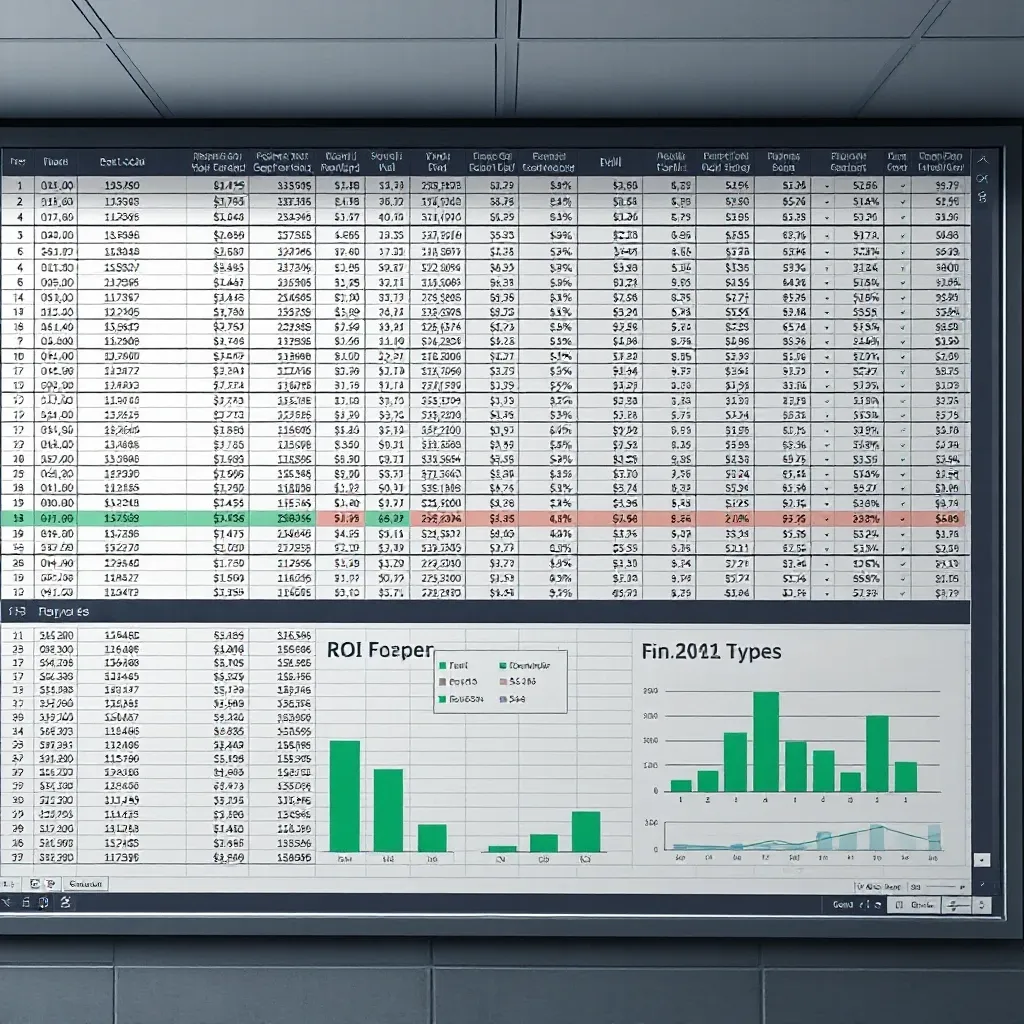
For many, the journey of bet tracking begins with spreadsheets. Programs like Google Sheets and Excel offer a customizable and relatively free way to monitor your betting activity. With spreadsheets, you have complete control over the data you track. You can tailor columns to your specific interests, calculating everything from basic profit/loss to more complex metrics. However, manual data entry can be time-consuming and prone to errors. As an illustration, a simple spreadsheet template might include columns such as Date, Sport, Bet Type, Stake, Odds, Result, and Profit/Loss. While I find this method effective to begin, because I can understand basic concepts, it becomes cumbersome as betting volume increases.
Betting Apps and Software
When spreadsheets become overwhelming, betting apps and software offer a step up in functionality. Numerous options exist, each boasting a range of features designed to streamline the tracking process. Many apps offer automatic bet import from supported bookmakers, eliminating manual data entry. They often include features such as detailed reporting, data visualization, and bankroll management tools.
Some popular betting apps and software that I used include those which provide advanced charting, ROI analysis, and customizable alerts to help you stay on top of your betting performance. Although some of these features comes with a price, the automation and insights they provide can be invaluable for serious bettors.
How to Analyze Your Betting Data
Analyzing betting data is essential for turning hunches into informed decisions. Tracking bets transforms them into a tangible record that exposes strengths, weaknesses, and areas ripe for optimization. The goal is to identify betting trends, recognize patterns, and implement improvement strategies that boost profitability.
Identifying Profitable Betting Types
Delving into your data reveals which bet types yield the best returns. For instance, focusing solely on moneylines might seem intuitive, but data could reveal a higher success rate (and therefore, greater profitability) with spread betting in specific sports. Drill down into your records and filter by bet type (moneylines, spreads, over/unders, etc.). Calculate the ROI for each category. Discovering a consistent profit with over/unders in basketball, while struggling with moneylines in soccer, suggests a strategic shift is needed. This profitability analysis ensures focus remains on what works, rather than spreading resources thinly across less successful avenues.
Spotting Value Bets
The core of successful betting lies in identifying value. Value bets arise when the probability of an outcome is higher than the implied probability reflected in the bookmaker’s odds. Expected Value (EV) quantifies this concept. To calculate EV, estimate the true probability of an event occurring, then compare it to the potential payout offered by the bookmaker. Consistently tracking results allows for a more accurate refinement of EV calculations. Over time, this feedback loop sharpens predictive abilities, allowing a better spotting of discrepancies between personal assessments and bookmaker odds. Embrace value betting; let data become the compass that guides betting strategies toward long-term profitability.
Advanced Strategies for Data-Driven Betting
Taking your bets to the next level requires moving beyond basic data analysis and diving into advanced strategies. These strategies often involve a deeper understanding of statistical concepts, risk management, and how to simulate potential outcomes. Mastering these techniques can significantly refine your betting approach and improve long-term profitability, transforming you from a casual bettor into a savvy, data-informed strategist.
Implementing Bankroll Management
Bankroll management is the cornerstone of sustainable betting. It’s about protecting your funds and ensuring you can weather inevitable losing streaks. Several strategies exist, each catering to different risk tolerances. Fixed staking involves betting the same amount on every wager, simple and easy to manage. Percentage staking, a slightly more sophisticated approach, involves wagering a fixed percentage of your bankroll, adjusting the stake size as your bankroll grows or shrinks.
Then there’s the Kelly Criterion, a more aggressive and complex method that calculates the optimal bet size based on the perceived edge and odds. Using your tracking data is crucial for personalizing your staking strategy. Analyze your win rate, average odds, and longest losing streak to determine the most appropriate and sustainable staking plan for your individual betting style and risk profile. Remember, the goal isn’t to get rich quick, but to build a consistent and profitable betting history.
Using Simulation
Before risking real money, simulate your betting strategy. Betting simulation allows you to backtest your systems using historical data. Tools like Monte Carlo simulation model thousands of potential outcomes, providing insights into the expected profitability and risk associated with your approach.
Backtesting involves applying your strategy to past events to see how it would have performed. While valuable, remember that backtesting has limitations. Past performance doesn’t guarantee future success, and historical data may not perfectly reflect current conditions. Account for these limitations by considering factors like changing team dynamics, rule changes, and unforeseen circumstances. By combining simulation with careful analysis of its limitations, you can refine your strategies.
Common Mistakes to Avoid When Tracking
Tracking your bets is crucial for improving your gambling strategy, but it’s easy to fall into common traps that can skew your data and lead to inaccurate conclusions. One of the biggest tracking mistakes is failing to maintain data accuracy. This can happen through simple typos, misremembering stake sizes, or rounding numbers. Consistent and precise record-keeping is key; double-check your entries and use a standardized format to minimize errors.
Another pitfall is inconsistent tracking. If you only record wins and forget losses, or if you switch between different tracking methods, your data won’t paint a realistic picture of your performance. Be comprehensive and stick to your chosen system.
Finally, beware of emotional bias. It’s tempting to rationalize bad bets or downplay losses when you’re feeling emotional. Remember to remain calm and objective when you write about your bets. Acknowledge both successes and failures honestly. Recognizing the influence of emotions on your betting decisions is the first step towards mitigating their negative impact.
Conclusion
In conclusion, the world of sports betting is not just about luck; it’s about strategy, analysis, and informed decision-making. By diligently tracking your bets, you transform from a casual gambler to a savvy investor. Embrace the power of data analysis to identify your strengths, pinpoint weaknesses, and refine your betting strategies.
Take the first step today. Start a simple spreadsheet or explore dedicated bet tracking apps. Record every bet you make, noting the sport, type of bet, odds, stake, and outcome. Consistent tracking, even for a short period, will reveal patterns and insights you never knew existed.
Remember, the journey to profitability in sports betting is a marathon, not a sprint. Stay disciplined, analyze your data regularly, and adapt your strategies as needed. With consistent effort and a data-driven approach, you’ll be well on your way to making smarter, more profitable bets.